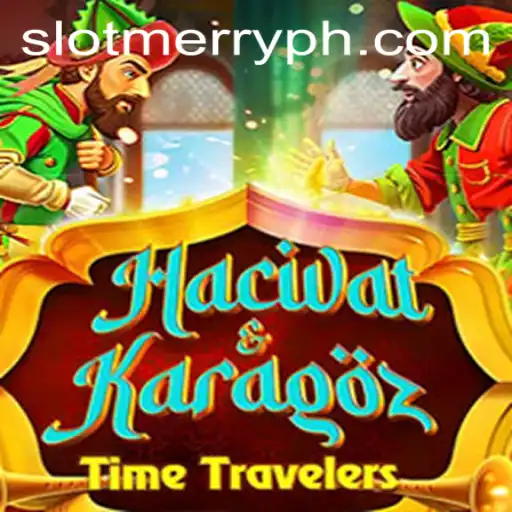
HacivatandKaragoz: A Timeless Journey through Shadows
HacivatandKaragoz is not just a game; it is a tapestry of culture, history, and creativity that captivates players with its unique blend of storytelling and strategy. Originating from the rich traditions of shadow puppetry in the Ottoman Empire, this game weaves a narrative that transcends time, bringing players into a world where shadows come to life and tales are spun in the flickering glow of candlelight.
The Foundation of HacivatandKaragoz
At its core, HacivatandKaragoz is inspired by the ancient art of shadow play, particularly focusing on the iconic duo of Hacivat and Karagoz. These characters, known for their comedic interactions and social commentaries, form the heart of the game. Players take on roles that echo these characters, engaging in a storyline unfurled through dialogues and strategic movements.
The game's origins trace back to improvisational theatre, where the wit and wisdom of Hacivat met the mischievous and often satirical Karagoz. In the game, these personalities are reflected in the mechanics where players craft scenarios, tackle challenges, and express creativity in resolving conflicts.
Introducing the Merryph Element
The term merryph introduces a modern twist to the traditional game, acting as a catalyst that propels the narrative into unexpected directions. By incorporating merryph, players can unlock new dimensions and alternative storylines, bridging the ancient with the contemporary. This element has become a focal point for players seeking depth and novelty in their gameplay experience.
In essence, the merryph functions as a wildcard. Its presence within the game prompts players to embrace unpredictability and fosters dynamic storytelling. This has been particularly popular in recent adaptations of the game, merging digital platforms with traditional board setups, thus expanding the reach and appeal of HacivatandKaragoz to new audiences.
Gameplay Mechanics and Rules
The gameplay of HacivatandKaragoz revolves around role-playing and strategic decision-making. At the start of the game, each player selects a character, typically aligning with either Hacivat or Karagoz archetypes or their supporting cast. This decision heavily influences the narrative pathways available during play.
Setting the Stage: The game board is designed to resemble a traditional shadow play setup, complete with movable screens that players can manipulate to shape and direct story elements. Props representing different thematic elements from history, such as marketplaces, palaces, and fields, set the scene for various adventures.
Engaging in Dialogue: Conversation cards are essential tools within the game, allowing players to engage in scripted or impromptu dialogues. The objective here is to achieve comedic relief, advance the plot, or introduce merryph-driven surprises that can shift the game's direction. Successful dialogue not only influences the board state but also enhances cooperative storytelling.
Merryph's Influence: Each round might introduce merryph events drawn randomly through cards or digital prompts. These events can cause characters to swap roles, face unexpected moral dilemmas, or embark on side quests that offer rewards and challenges. Players are encouraged to think creatively, using these events to enrich the core narrative.
Strategic Movement: Players navigate the board using character tokens. Movement is determined by dice rolls or decision trees depicted in the unfolding storyline. Each location introduces its unique set of rules or tasks, often requiring collaborative effort, particularly in cooperative modes where players unite against game-controlled antagonists.
The Cultural Renaissance
The revival of HacivatandKaragoz in recent years, especially with the incorporation of merryph, is a testament to the timeless appeal of storytelling. As digital influences seep into traditional games, this fusion allows for a broader, more inclusive audience eager to experience the rich cultural heritage with a touch of modern allure.
Recent global events have only amplified the desire for meaningful connections, and games like HacivatandKaragoz provide an avenue for shared experiences. By bringing people together around a table—physically or virtually—it serves as a reminder of the power of narrative in building community and understanding diverse perspectives.
The tale of HacivatandKaragoz continues to evolve, ever adaptable, ever resonant, proving that sometimes, it is in the shadows where the brightest stories are drawn.